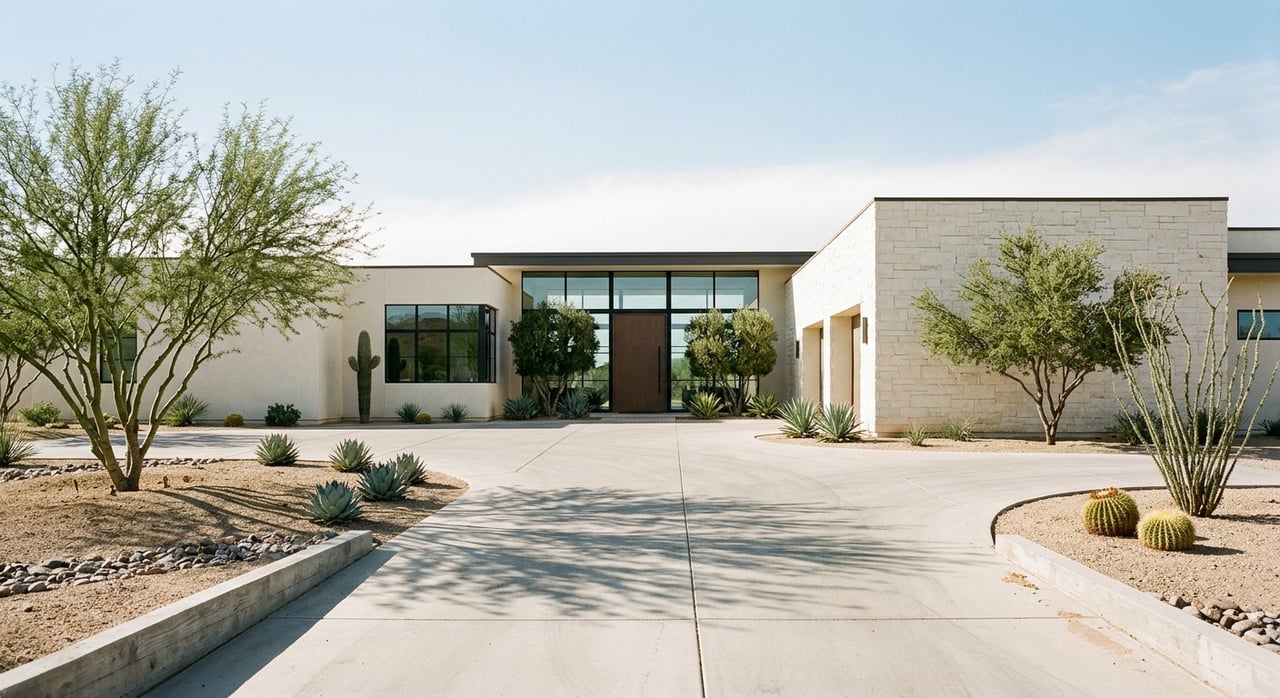
Paradise Valley Lifestyle Guide to Quiet Luxury
May 21, 2026
May 21, 2026
If luxury means peace, privacy, and room to breathe, Paradise Valley stands in a class of its own. For many buyers, it offers something that feels harder to find across the Valley: a quiet residential setting with mountain views, estate-sized homesites, and resort-level amenities close by. If you are wondering what everyday life here really feels like, this guide will walk you through the pace, housing character, and practical trade-offs that define Paradise Valley. Let’s dive in.
Paradise Valley is a small incorporated town in Maricopa County, set between Phoenix and Scottsdale. It covers 15.4 square miles of land and has an estimated 2025 population of 12,774, according to town reporting. The setting is shaped by Camelback Mountain, Mummy Mountain, the Phoenix Mountain Preserve, and nearby McDowell Mountain views.
The town’s identity is rooted in low density and residential character. Paradise Valley was incorporated in part to preserve a one-house-per-acre minimum and maintain a quiet, country-like setting. That history still shows up in how the town plans growth, protects open space, and prioritizes tranquility, dark skies, and scenic views.
The result is a lifestyle that feels intentionally restrained. You are not moving here for a busy downtown core or a packed retail corridor. You are moving here for space, privacy, and a more peaceful rhythm in the middle of the greater Phoenix area.
Quiet luxury in Paradise Valley is less about flash and more about how life is experienced day to day. Larger lots, lower density, and a mostly residential environment create a sense of separation that many buyers value. The town reports that 95% of housing is owner-occupied, which also reinforces a more established residential feel.
The market also reads clearly as upscale. Paradise Valley reports a median housing sales price of $4,125,000 and a median household income of $221,333. The town itself describes the community as home to beautiful estates, world-class resorts, opulent dining, and upscale golf courses.
What stands out most, though, is the balance. You can have access to high-end leisure and hospitality while still living in a place that protects quiet streets, open desert character, and long view corridors. For many buyers, that combination is the real luxury.
Most homes in Paradise Valley are owner-occupied single-family residences on lots of at least one acre. Much of the town is zoned R-43, which generally means one-acre minimum lots, though there are other residential zoning categories as well. Nonresidential uses are limited and must be in authorized Special Use Permit districts.
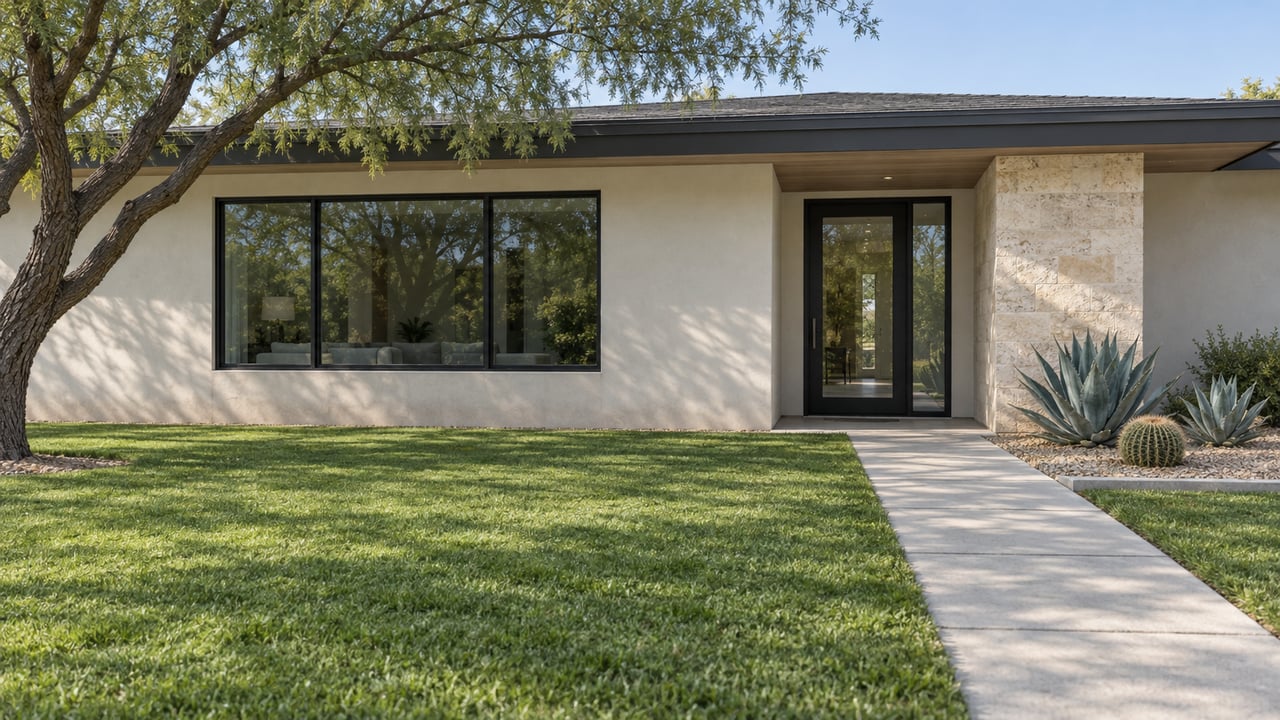
For you as a buyer, that often translates into more distance between homes, more privacy, and more visual emphasis on landscaping, outdoor living, and mountain views. Many neighborhoods are relatively small and are often known by the names of their original developments. Compared with denser parts of Phoenix or Scottsdale, the feel is more spacious and more residential.
There is also a strong guardrail around density. Paradise Valley prohibits timeshares and fractional ownership residences, which helps preserve its low-density profile. If you are looking for a primary residence or a more private second-home setting, that policy supports the town’s overall character.
Paradise Valley’s building and zoning standards can be more restrictive than in nearby communities. The town’s resident guide notes that hillside construction and remodeling require approval before a permit is issued. That matters if you are buying with plans to renovate, expand, or significantly rework a home.
In practical terms, lot quality and site conditions matter here in a big way. A home’s views, topography, and position on the parcel may shape what is possible later. If you are comparing properties, it helps to look beyond finishes and square footage and think about long-term flexibility too.
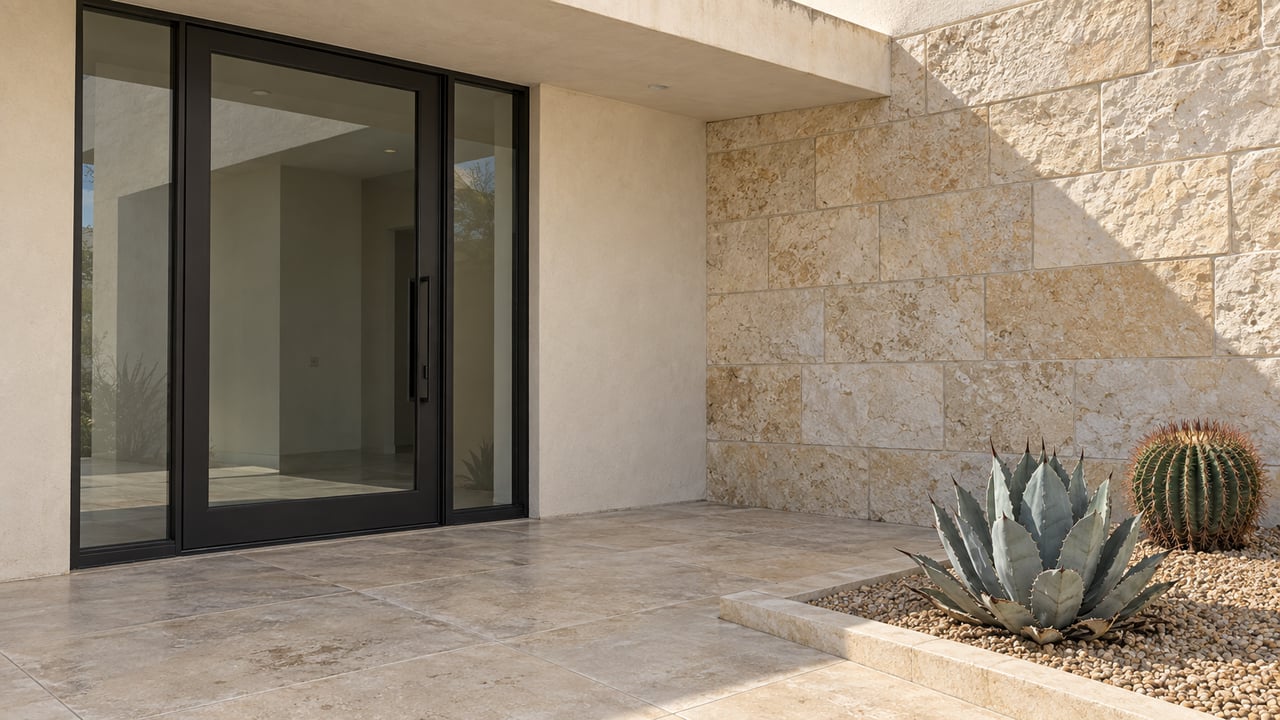
This is where a design-aware buying approach becomes especially valuable. In a town where presentation, views, and site planning carry real weight, understanding both current livability and future potential can help you make a smarter decision.
Paradise Valley is not built around heavy commercial development. Instead, much of its lifestyle comes from hospitality, with the town reporting 9 resorts, 3 golf courses, 11 schools, and 4 medical centers. That gives daily life a polished but low-key feel.
Dining is a major part of the local experience. The town’s official restaurant guide highlights resort destinations such as Lincoln Steakhouse and Rita’s Kitchen at Camelback Inn, Prado and Crave at the Omni Montelucia, Asadero at the DoubleTree Paradise Valley Resort, Lon’s at the Hermosa Inn, elements at Sanctuary Camelback Mountain, El Chorro, Weft and Warp Art Bar + Kitchen at Andaz, and Hearth '61 and Rusty’s at Mountain Shadows.
For buyers, this means you can enjoy a strong leisure scene without living in a commercial hub. Nights out often feel refined and close to home, yet the overall atmosphere remains calmer than in more retail-driven parts of the metro.
Golf is another part of the Paradise Valley lifestyle, but it fits into the same understated pattern. The town highlights Camelback Golf Club and Mountain Shadows Golf Club as local golf destinations. These amenities add to the area’s appeal for buyers who want recreation nearby in a polished setting.
What makes this different from some resort markets is the overall tone. Paradise Valley tends to feel residential first, with leisure woven in around it. That can be a strong fit if you want access to dining, golf, and resort amenities without giving up privacy and calm.
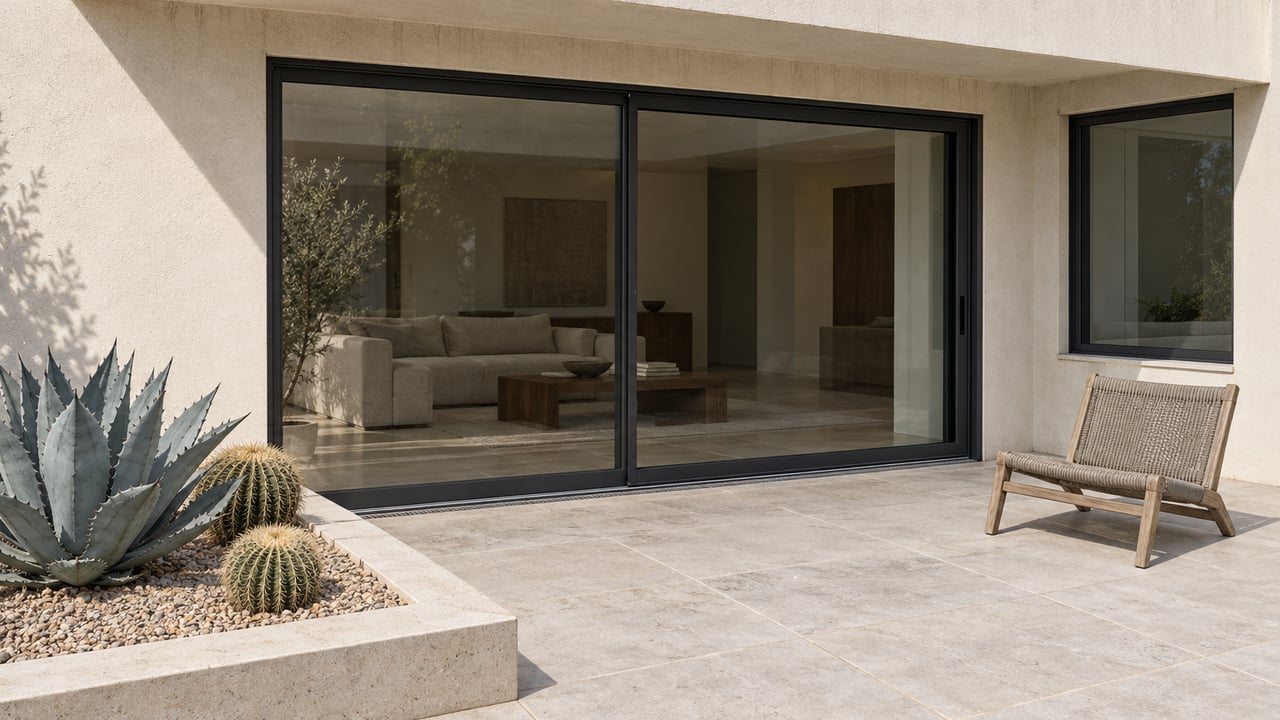
Outdoor living is central to everyday life here, thanks in part to the climate. Paradise Valley reports 294 sunny days per year, low rainfall, and hot summers, making patios, pools, shaded outdoor spaces, and early-morning or evening activity a natural part of the routine. The desert setting is not just a backdrop. It shapes how people live.
The town is surrounded by notable natural landmarks, and the Phoenix Mountain Preserve along the western edge adds meaningful trail access nearby. The preserve is described as more than 41,000 acres with over 200 miles of trails, including access points such as Trail 100 and Quartz Ridge Trailheads. For many residents, proximity to hiking and panoramic desert scenery is a daily quality-of-life benefit.
Camelback Mountain is also one of the defining visual features of the area. Mountain views are part of what makes many Paradise Valley properties feel special, whether you are on a flatter interior lot or a site with more dramatic elevation.
No market is perfect for every buyer, and Paradise Valley comes with a few trade-offs that are worth understanding upfront. The same features that create privacy and low density can also mean less walkability and fewer everyday retail conveniences within town. If you prefer a more urban, storefront-driven lifestyle, this setting may feel too quiet.
Traffic can also be part of the picture. The town’s general plan notes that major corridors like Lincoln Drive and Tatum Boulevard can see more traffic during non-summer months. That seasonal shift is helpful to keep in mind if you are evaluating commute patterns or weekend movement around town.
Camelback Mountain adds another practical consideration. The mountain is a major visitor draw, and the town notes ongoing concerns near trailhead areas related to parking, traffic, and noise. Depending on where a property sits, that may or may not affect your day-to-day experience.
It is also worth noting that there is no public access to Mummy Mountain. While it remains an important scenic landmark, it is better understood as part of the visual landscape rather than a public recreation feature.
Paradise Valley tends to work best for buyers who value privacy, estate-scale lots, mountain views, and a quieter residential pace. It is especially appealing if you want luxury amenities nearby but do not need a dense commercial core to feel connected. The town’s planning language makes clear that preserving residential character and low density remains a long-term priority.
That makes lifestyle fit especially important here. Some buyers fall in love with the sense of calm right away. Others realize they would rather be closer to walkable retail, denser dining clusters, or a faster pace in nearby Scottsdale or central Phoenix.
The key is to look beyond price point and focus on how you actually want to live. In Paradise Valley, the strongest value often comes from alignment between the home, the lot, and the rhythm of the town itself.
Because Paradise Valley is so shaped by lot size, views, zoning, and long-term residential character, a smart buying strategy matters. Two homes with similar square footage can offer very different experiences based on siting, remodeling flexibility, privacy, and surrounding conditions. Looking closely at those details can help you avoid expensive surprises later.
This is also a market where design awareness matters. If you are considering updates, it helps to understand how a home’s architecture, setting, and layout work with the land and with local expectations. A polished purchase decision here is rarely about finishes alone.
If you are exploring Paradise Valley, the goal is not just to find a beautiful home. It is to find the right version of the Paradise Valley lifestyle for you, whether that means strong mountain views, lock-and-leave convenience near resort amenities, or a more tucked-away estate setting.
If you want thoughtful guidance on buying or selling in Paradise Valley, Josh Gonzalez brings local market insight, design perspective, and a calm, strategic approach to every step of the process.
Stay up to date on the latest real estate trends.


Find Your Dream Home
Whether you’re buying, selling, or simply exploring your options, I’m here to listen, strategize, and deliver. Let’s connect to discuss your goals and see how my approach can help you move forward with clarity and confidence.