Insurance Timing for North Central Phoenix Ranch Homes
October 1, 2026
October 1, 2026
A North Central Phoenix buyer clears the general home inspection, negotiates a few repair credits, and assumes the hard part is over. Then, ten or twelve days before closing, the lender's file shows a hold: the insurance carrier hasn't issued a binder. Not because the underwriter found something new. Because the underwriter looked at the same wiring the inspector already flagged and made a different call entirely.
In North Central Phoenix, the age of many homes makes the systems behind the walls an important part of the insurance conversation.
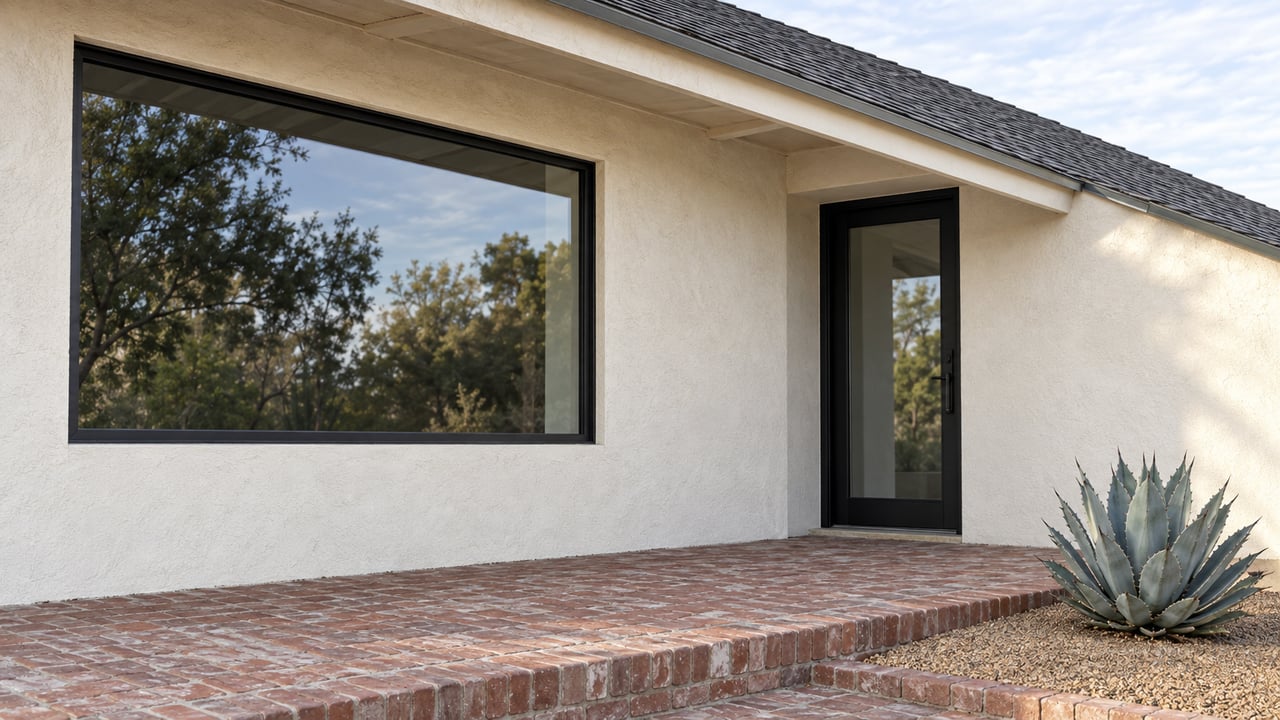
The brick ranch is the defining home type on this corridor, built in heavy numbers between 1940 and 1969. Walk the blocks in Orangewood, Royal Palm, Marlen Grove, and Madison Park and you'll find quarter-acre and half-acre lots carrying original construction from that window, sometimes with additions layered on in the decades since. Bel Air, a small enclave of roughly 100 homes recognized by Phoenix's historic preservation office, is considered one of the best-preserved 1950s and 1960s pockets in the city. Two officially designated historic districts, Windsor Square and Pierson Place, sit inside or adjacent to the corridor, adding preservation rules to the mix on top of the age question. You can review the boundaries and eligibility criteria directly through the City of Phoenix Historic Property Register.
A home built in 1958 or 1967 is now decades old. Most of what made it desirable then, generous lots, mature trees, a floor plan you can't replicate on a modern infill lot, has nothing to do with what's actually running the house. The systems behind the walls were designed for a different era of electrical demand, plumbing standards, and insurance underwriting entirely.
A general home inspector's job is to describe condition. An insurance underwriter's job is to decide whether to accept the risk at all, and the two documents don't always agree on what matters.
| System | What a general inspector typically notes | What an Arizona underwriting guideline typically requires |
|---|---|---|
| Electrical | Aluminum branch wiring present, monitor for damage | Unacceptable as-is; must be modified with proof from a licensed electrician before binding |
| Plumbing | Galvanized supply lines, aging but functional | May require replacement documentation depending on carrier |
| Roof | Age noted, condition assessed | Often requires proof of replacement or update within a set window |
| Heating and cooling | Age and functionality noted | May require documentation of recent replacement or service |
That underwriting language isn't hypothetical. One Arizona-specific age-of-home guideline reviewed for this piece states plainly: "Knob and tube wiring, aluminum wiring or fuses are unacceptable." The same document allows an exception if the wiring has been properly modified and a licensed electrician can prove it. That single sentence is the difference between a policy that binds on schedule and a closing date that slips.
Aluminum branch wiring shows up specifically in homes built roughly between the mid-1960s and the mid-1970s, a window that overlaps heavily with North Central Phoenix's construction boom. Builders switched to aluminum when copper prices spiked, and the material itself isn't inherently dangerous. The problem is how it behaves at connections. Aluminum expands and contracts more than copper as current cycles through it, which gradually loosens screw terminals at outlets and switches. A loose connection generates heat. Heat plus time is what insurers are actually pricing when they flag the wiring type, not a suspicion that the home will spontaneously combust the day you move in.
A large-appliance circuit, range, dryer, AC feeder, is often aluminum even in newer construction, and that's treated differently by underwriters than aluminum on the 15 and 20 amp branch circuits feeding your outlets and lights. The distinction matters when you're reading an inspection report, because "aluminum wiring present" without more detail doesn't tell you which kind you're dealing with or whether it's the kind that will hold up an insurance file.
The good news buried in all of this is that aluminum branch wiring rarely requires tearing out drywall and rewiring an entire house. Licensed electricians working in the Phoenix market generally use one of three accepted remediation methods:
Any of these, properly documented by a licensed electrician, is typically what satisfies the underwriting language above. The remediation isn't the expensive part of this process. The timing is.
Wiring gets the attention because it touches insurance directly, but plumbing on a pre-1970 home carries its own weight. Original construction from that era in Phoenix almost always used galvanized steel supply lines and cast iron drain lines, both of which corrode and fail predictably with age. A video sewer scope from the main cleanout to the city tap is treated as standard due diligence on anything built before 1970, and a full sewer line replacement, when one is needed, generally runs from the low five figures to well into the twenties depending on length and access. That's not a wiring problem, but it's part of the same underwriting conversation, since some carriers ask about supply and drain line material on the same forms where they ask about the electrical panel.
North Central homes have been expanded for decades: primary suite additions, extra bathrooms, family rooms, casitas. Some of that work was permitted. Some wasn't. An unpermitted addition doesn't just risk a conversation with the city later, it can create a mismatch between the square footage on the tax assessor's record and what the appraiser measures on site, which affects loan underwriting independent of the insurance question entirely. Pulling permit history before writing an offer, through the city's public permit and zoning tools, costs nothing and answers a binary question before it becomes a surprise during escrow.
None of this means a North Central Phoenix ranch home is a bad buy. It means the sequence most buyers default to, inspection first, insurance later, is backwards for this housing stock. A lender won't fund without a signed insurance binder in hand, and that binder can't be finalized until the carrier has reviewed the wiring and plumbing findings. If those findings surface for the first time during a ten-day inspection period, there often isn't enough runway left to get an electrician out, get the remediation documented, and get the underwriter to sign off before the closing date on the contract.
The fix costs nothing extra: start shopping for homeowners insurance the same week the purchase contract is signed, not after the inspection period closes. Ask the quote-providing carrier directly whether they write policies on homes with aluminum branch wiring, and if so, what documentation they require. That single phone call, made three weeks earlier than most buyers think to make it, is usually the difference between a closing that happens on schedule and one that doesn't.
Does aluminum wiring mean a home can't be insured in Arizona? No. Many carriers will bind coverage once a licensed electrician documents remediation, such as copper pigtailing at outlets and switches or a full Copalum crimp job, and the underwriting guidelines reviewed for this piece explicitly allow for that exception.
How fast can the electrical documentation actually happen? The remediation itself, pigtailing outlets and switches throughout a typical ranch home, is usually a one to two day job for a licensed electrician. The bottleneck is scheduling the electrician and then waiting for the underwriter to review the documentation, which is why starting early matters more than the work itself.
Does a renovated kitchen or bathroom mean the wiring has already been updated? Not automatically. A cosmetic remodel changes finishes, cabinets, and fixtures. It doesn't necessarily touch what's behind the drywall unless the scope of work specifically included an electrical panel or branch wiring upgrade. Ask for the electrician's documentation rather than assuming from the finishes alone.
If you're weighing a ranch home in North Central Phoenix, whether you're the one buying or the one selling, Josh Gonzalez can walk you through what a specific address's age and history mean for your insurance timeline before you're locked into a contract deadline. Let's connect.
This article is general information, not legal, tax or financial advice. Consult a qualified professional about your situation.
Stay up to date on the latest real estate trends.


Find Your Dream Home
Whether you’re buying, selling, or simply exploring your options, I’m here to listen, strategize, and deliver. Let’s connect to discuss your goals and see how my approach can help you move forward with clarity and confidence.