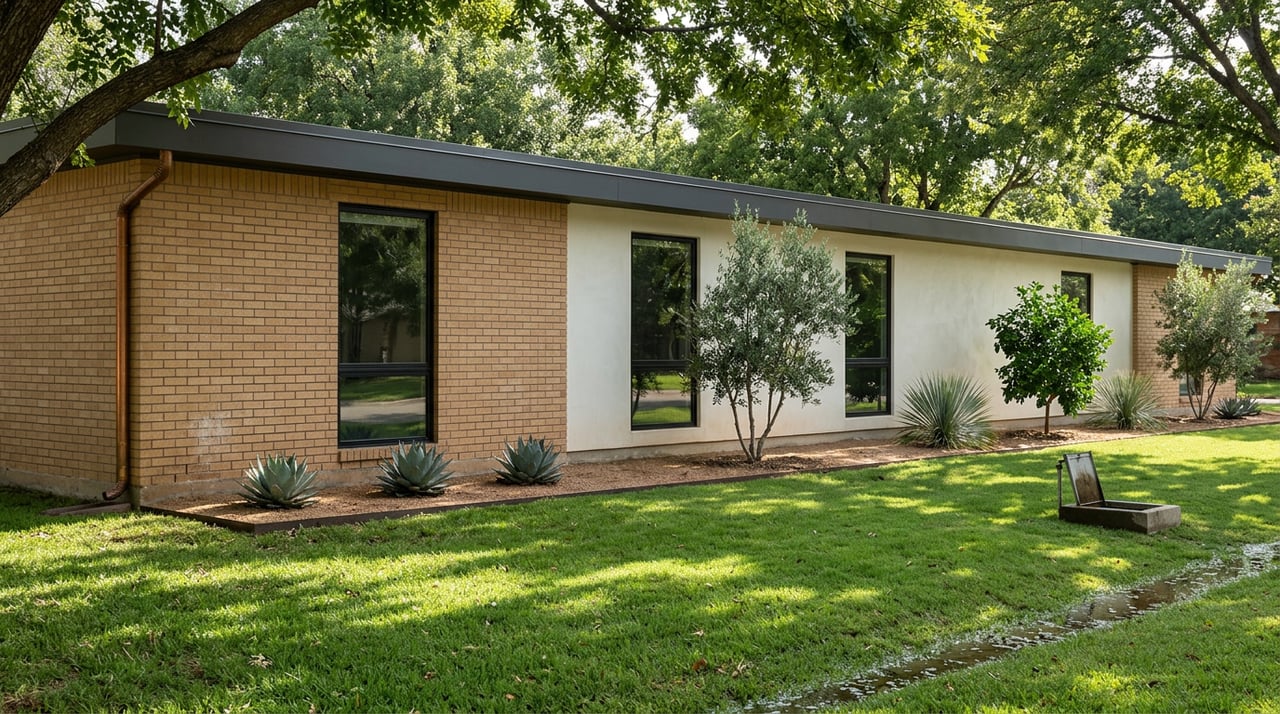
North Central Phoenix Home Prices by Block, Explained
August 6, 2026
August 6, 2026
A buyer scrolling the portals will see one number for North Central Phoenix and assume it describes a neighborhood. It doesn't. The corridor running along Central Avenue from Camelback Road north to Glendale Avenue is four price tiers stacked in the same ZIP codes, and which tier a specific address belongs to is decided by three things a listing photo won't show you: whether the lot is flood-irrigated, which elementary district the parcel actually sits in, and how the block reads under the city's Special Planning District rules. Get those three answers before you get attached to a house, and the median stops being useful the moment you understand why.
The May 2026 corridor median sits around $675,000 across ZIPs 85012, 85013, 85014, and 85015, up roughly 6.8 percent year over year. That figure blends four parallel markets that barely compete with each other for the same buyer.
| Tier | Typical price band | Where it lives |
|---|---|---|
| Entry condo | $275K to $450K | Artisan Lofts, Windsor Place, Toscana; Camelback Corridor condo stock |
| Entry single-family | $450K to $700K | Post-war ranch in 85014 and 85015 |
| Core mid-luxury | $700K to $1.5M | Madison Meadows, Madison Rose Lane corridor, Town and Country |
| Bridle Path luxury | $1.5M to $7M | Windsor Square, the Sevens, Northwood Manor, 85012 custom estates |
Inside the Murphy Bridle Path core, medians reach $1.1 million to $1.3 million. Cash purchases run about 32 percent of transactions here, against roughly 24 percent citywide, and homes above $2 million on the Bridle Path regularly close five to nine percent under original list after one or two adjustments. Sale-to-list averages 97.4 percent across the corridor. Days on market run longer than the citywide Phoenix number because the historic and custom inventory takes time to price correctly.
Two homes a mile apart on the same corridor can trade $400,000 apart. The rest of this post is about why.
Salt River Project was founded on an agricultural water system in the late 1800s. As Phoenix urbanized between the 1920s and 1970s, the ditches that once irrigated fields kept flowing, and the fields became front and back yards. That's the entire reason the mature Elm, Ash, and Olive canopy along Central north of Camelback exists. It's also the reason those blocks feel measurably cooler in July than a block two streets over on city water.
SRP's Community Irrigation Revitalization Initiative, announced in 2026, is investing in aging flood-irrigation infrastructure elsewhere in the Valley precisely because the tree canopy and turf that irrigation supports is understood as neighborhood-defining. In North Central, that infrastructure has been quietly running for close to a century. As one SRP program lead put it in an April 2026 KJZZ interview, "you're allowing for water to" reach a root system that shallow drip systems can't build.
For a buyer, the practical questions are narrow and worth asking before the inspection period runs:
An irrigated lot on the Bridle Path is a fundamentally different asset from a city-water lot three blocks west, and the price gap reflects that. If irrigation is what drew you to the corridor, verify it in writing during due diligence. Portal listings say "flood irrigation available" freely and don't always mean the delivery is functional.
The single most consequential piece of information the median hides is school attendance. Three K-8 districts overlap inside the corridor: Madison Elementary District, Osborn Elementary District, and, at the far north end, Washington. Some addresses near the western edge of 85015 fall inside Osborn rather than Madison. The line is a street, not a ZIP boundary, and it moves through blocks that look identical from the car.
That matters because Madison feeder attendance materially affects resale velocity. Madison Traditional Academy, Madison Rose Lane, Madison Heights, and Madison Simis pull demand from buyers who are willing to pay a premium for a specific elementary campus. Xavier College Preparatory, Brophy College Preparatory, and St. Francis Xavier School add walking-distance Catholic prep demand to the same core blocks. Two ranch homes with identical square footage, identical lot size, and identical finish level can trade $75,000 to $150,000 apart because one feeds a specific Madison campus and one does not.
Before you write an offer in North Central Phoenix, verify school assignment by exact street address, not by ZIP, not by the listing agent's summary, and not by the map on a portal. The district is authoritative. Nothing else is.
If school access is not a criterion for you, this is still worth understanding, because it is a criterion for your future buyer, and the next holding period's resale will price it in whether you did or not.
The North Central Corridor is often described as historic. The formal picture is more careful. The neighborhood as a whole has not been designated a City of Phoenix historic district. It is recognized through the North Central Avenue Special Planning District, and the city has identified around 55 properties in the area as eligible for historic designation, with several already listed on local or national registers.
The difference matters at the transaction table. A property inside a formal historic district in Phoenix carries specific review requirements for exterior alterations. A property in a Special Planning District is governed by a different set of standards intended to protect residential character, setbacks, and scale, without the same landmark-level review. And a property that is individually listed on the National Register carries its own separate considerations.
For a buyer, this shows up in three places:
That last point is where the median mostly breaks. New construction infill above $1.2 million and preserved mid-century ranch under $700,000 both count toward the same corridor average, and neither one describes a market a buyer can actually shop.
A short field checklist before you fall in love with a listing:
If the closest three true comps don't exist within a reasonable window, the listing is either mispriced or genuinely rare. Both cases change how you write the offer.
Does the corridor median move the same way each tier moves? No. The blended median rose about 6.8 percent year over year through May 2026, but Bridle Path luxury above $2 million has been negotiating harder, with meaningful price reductions after the first or second week, while the entry ranch band under $700,000 has been the tightest tier for buyer competition.
Is new construction a real option here? Limited. Custom infill and small gated enclaves such as 100 Northern, The Bower Maryland, and Willow make up most 2026 activity, with production volume low and starting prices typically above $1.2 million. Most transactions in the corridor remain resale of ranch, mid-century, and custom historic stock.
How long does a well-priced home take to sell? Corridor sale-to-list averaged 97.4 percent through spring 2026, with days on market running longer than the citywide Phoenix figure because pricing older custom and historic stock accurately is genuinely harder than pricing a suburban tract home.
If you're weighing a move into North Central Phoenix, or preparing a home in the corridor for market, the block-level answers are the ones that decide the outcome. Josh Gonzalez works the corridor address by address rather than ZIP by ZIP. Let's connect and read your specific block together.
Stay up to date on the latest real estate trends.


Find Your Dream Home
Whether you’re buying, selling, or simply exploring your options, I’m here to listen, strategize, and deliver. Let’s connect to discuss your goals and see how my approach can help you move forward with clarity and confidence.